Cost Savings in Third‑Party Labor: 2026’s Shift From Headcount to Algorithms

Ethan Ward
Author
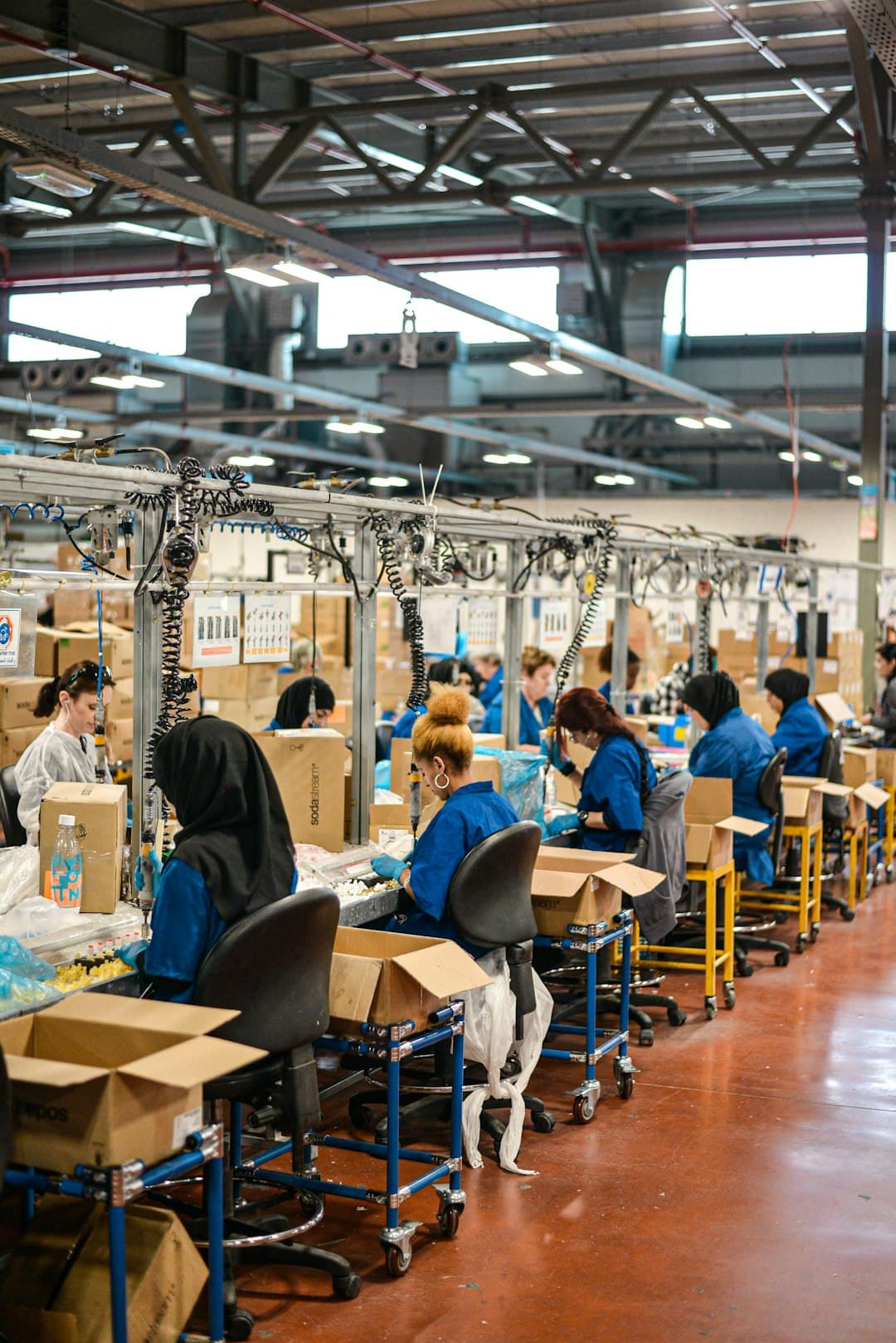
The Scene: A Warehouse on the Brink
Picture a national 3PL in Q4 2026. Orders are spiking, overtime is exploding, temp agencies are missing fill targets, and the CFO is watching labor costs climb faster than revenue. On paper, the operation is fully staffed. In reality, they’re paying premium rates for the wrong hours, in the wrong roles, through the wrong vendors.
What finally fixes it isn’t another rate negotiation. It’s a decision to run labor like a tech product: one integrated system that orchestrates full-time staff, agencies, and on-demand platforms against a single goal—lowest sustainable cost per order, not lowest hourly rate.
That’s the quiet revolution in third-party labor cost savings for 2026.
Why Third-Party Labor Becomes the Cost Engine in 2026
By 2026, wage inflation, regulatory costs, and persistent shortages in logistics, warehousing, retail, and field services have made traditional, payroll-heavy models too rigid. Enterprise operators can’t afford idle time in slow weeks or panic overtime during peaks.
Third-party labor—staffing agencies, on-demand labor marketplaces, contractors, MSPs, and BPOs—has moved from side character to lead role in the cost story. The twist: real savings now come from how this labor is orchestrated, not just how much it’s paid.
From Fixed Cost to Demand-Responsive Labor
The first big lever is structural. Volatile roles are shifting from fixed headcount to variable capacity managed through tech. Seasonal warehouse associates, event crews, merchandising teams, and short-term project roles are increasingly sourced through digital staffing and curated vendor panels.
Instead of paying for idle time, enterprises buy capacity only when demand actually materializes. AI-driven forecasting and scheduling layer on top, aligning third-party shifts with order volume, foot traffic, and bookings. The outcome is simple but powerful: fewer overstaffed slow days, fewer overtime-fueled peak days, and less money trapped in underutilized FTEs.
Vendor Chaos Out, Centralized Control In
For many large operators, the real waste isn’t in the bill rate—it’s in vendor sprawl.
In 2026, cost-focused enterprises are consolidating from dozens (or hundreds) of staffing vendors into a smaller, data-managed ecosystem run through a Vendor Management System or extended workforce platform. Central rate cards by role, location, and shift replace one-off negotiations. Volume is concentrated with top performers in exchange for better pricing and tighter SLAs.
Admin overhead falls as requisitions, timesheets, and invoicing move into a single system. Finance finally sees true all-in labor cost per site, per vendor, per output unit—and can cut underperformers instead of guessing which relationships are actually expensive.
Scheduling and Pay: Where Algorithms Earn Their Keep
Spreadsheets and last‑minute phone calls are being replaced by algorithmic scheduling. These systems forecast demand, build rosters across FTEs and third-party workers, and adjust as reality shifts throughout the day.
The cost impact is tangible:
Leaner rosters when traffic is light.
Strategic use of on-demand labor in place of costly overtime.
Fewer emergency, premium-rate shifts because bottlenecks are spotted early.
On top of that, dynamic pay models tune incentives in real time. Instead of blanket high rates across the board, algorithms raise pay only where and when supply is thin—Saturday night outbound shifts, remote locations, storm-driven surges—while keeping off-peak hours at a lower baseline. Over a year, that precision trims millions in unnecessary premium pay without sacrificing fill rates.
Data Turns “Cheap Hourly Rates” Into True Cost Optimization
The biggest shift for 2026 is mindset. CFOs and COOs are no longer satisfied with “We got a better rate.” They want to know the cost per pallet moved, per home serviced, per store reset—and how that cost varies by labor channel.
By integrating HRIS, VMS, on-demand labor platforms, payroll, and operational data, enterprises can finally answer questions that used to be guesswork:
When is overtime actually cheaper than bringing in a staffing vendor—and when is it the opposite?
Which vendors deliver the lowest cost per completed task once you factor in no-shows, rework, and quality issues?
Which sites overpay because roles are over-spec’d or misaligned with the work required?
Armed with this visibility, leaders redesign contracts around outcomes, not hours. Warehouses move to cost-per-order models. Field services contracts tie payment to jobs completed within SLA. Merchandising work is priced per store and planogram executed. Vendors are incentivized to invest in their own tech and workforce quality, because efficiency directly improves their margins.
Avoiding the False Economy of “Cheapest Labor”
None of this works if enterprises chase low hourly rates at the expense of reliability, safety, or compliance. Misclassification fines, safety incidents, and constant retraining all erode whatever savings were found on paper.
The 2026 playbook focuses on cheapest sustainable cost. That means:
Clear rules on when to use FTE, agencies, or on-demand labor.
Centralized compliance checks for new platforms and vendors.
Worker-centric features—better scheduling UX, faster pay, upskilling—that keep high-performing third-party workers coming back.
In practice, enterprises may pay slightly more per hour for higher-quality, properly classified workers and still end up with a significantly lower cost per unit of output.
The Takeaway: Labor as a System, Not a Line Item
The companies winning the cost game in 2026 share a common trait: they treat third-party labor as a tech-enabled system that spans forecasting, sourcing, scheduling, performance, and pay.
They don’t ask, “How do we get cheaper temps?” They ask, “How do we build an integrated workforce that hits our service targets at the lowest sustainable cost per outcome?”
For enterprises willing to make that shift—away from headcount thinking and toward algorithmic orchestration—the biggest labor savings of 2026 won’t come from cutting wages. They’ll come from cutting waste.