Retail Execution: The Difference Between Browsing and Buying

Ethan Ward
Author
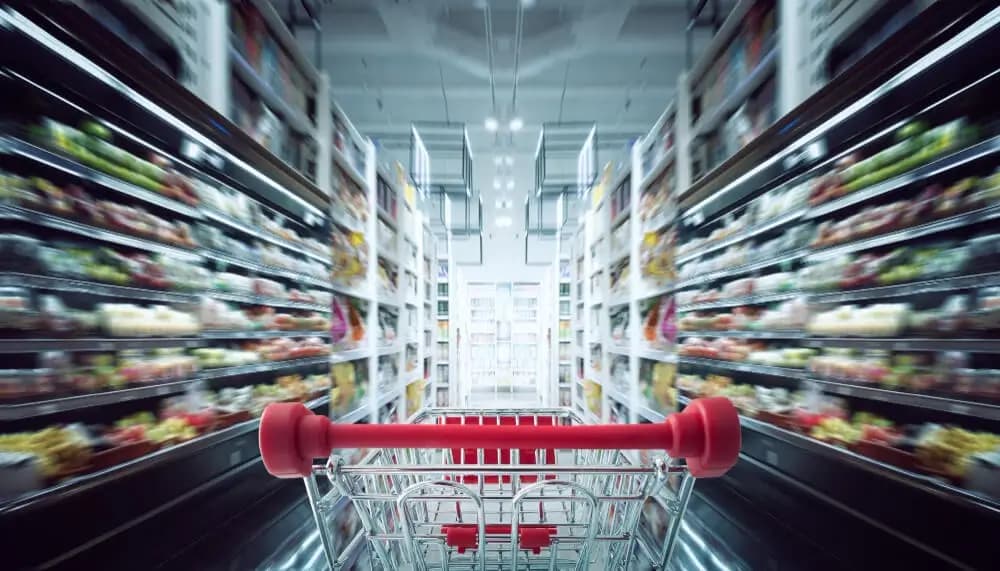
Retail is a game of inches, yet most of the industry is focused on miles. We spend months on supply chain logistics and millions on brand awareness, only to watch the entire strategy falter in the "Last Yard"—the final distance between the customer’s eye and the checkout counter.
Data shows that moving a product to a better shelf can trigger a 79% jump in sales almost instantly. A simple update to signage often carries a 10% revenue bump with it. These aren't just "tips"; they are the fundamental laws of physical commerce.
However, many stores are currently fighting a quiet war against operational friction: cramped shelves that confuse the shopper, inconsistent layouts that erode brand trust, and manual processes that make real-time adjustments impossible. The following is an look at the structural secrets that turn a standard retail space into a high-velocity sales engine.
Overcoming the "Friction" Factors
Before we can build a beautiful store, we have to address the pain points that kill conversions.
Cramped Shelves: When shelves are overstuffed, the "Paradox of Choice" sets in. Shoppers become overwhelmed and leave without buying anything.
Inconsistent Layouts: If your store in one city looks premium but another looks like a discount warehouse, your brand loses trust.
The Manual Burden: Relying on memory or paper checklists to manage inventory leads to "phantom stock" and missed opportunities.
The goal is to move from Reactive Management to Strategic Execution.
Product Placement Tactics – Turning Browsers into Buyers
Smart product placement uses every inch of your floor to guide the customer's wallet. To maximize your "buy-rate," follow these proven tactics:
The Vertical Strategy: Eye Level is Buy Level
Shoppers are naturally inclined to look straight ahead. Products placed at eye level receive significantly more engagement than those on the top or bottom shelves. Reserve this "Prime Real Estate" for your high-margin items or house brands.
The Power of the Endcap
The displays at the end of your aisles are your most powerful "attention magnets." Because they sit in high-traffic corridors, endcaps are perfect for seasonal items, new arrivals, or clearance "treasures" that stop a walking customer in their tracks.
Cross-Merchandising and Bundling
Don't just group by category; group by use case.
The Logic: Place chips next to salsa, or pasta next to gourmet sauces.
The Bundle: Create a "Date Night" or "Quick Dinner" bundle with a small discount. By grouping related items, you reduce the customer's mental effort and increase the average basket size.
Visual Merchandising – Lighting, Signage, and Eye-Catching Displays
Visual merchandising is the "silent salesperson" that works when your staff is busy.
Lighting as a Spotlight
Lighting should do more than just illuminate the room; it should direct the eye.
High-Contrast Lighting: Use track lighting to create a 3:1 brightness ratio between your featured displays and the general aisle lighting.
Warmth vs. Utility: Use warm LED lighting to create comfort in clothing sections, and bright, cool lighting to emphasize cleanliness in tech or pharmacy aisles.
Strategic Signage
Your signage should be a navigator, not a distraction.
The Rule of Three: Limit your signs to three key messages: The Price, The Benefit, and The Urgency (e.g., "Limited Time").
Digital Signage: If you have the budget, digital screens in high-traffic zones allow you to rotate promotions based on the time of day, catering to different shopper demographics.
Customer Experience – Flow, Navigation, and the 5-S Standard
The "feel" of your store is often more important than the price of your products.
Store Flow and Navigation
A well-designed store layout guides the customer through a journey.
The Decompression Zone: This is the first 5-10 feet inside your door. Keep it open. This allows shoppers to adjust their eyes and mood before they start looking at products.
Navigation Aids: Use clear floor markings or hanging "category" signs to ensure customers don't feel lost. A confused shopper is a shopper who wants to leave.
Cleanliness and Organization (The 5-S Standard)
Nothing ruins a premium brand faster than dust, clutter, or messy shelves.
The Psychological Impact: Spotless floors and neatly arranged products make customers feel safe and welcome. It builds a "trust bridge"—if the store is well-cared for, the products must be high-quality too.
Regular Audits: Implement a cleaning schedule that includes "The 5 S's": Sort, Set in order, Shine, Standardize, and Sustain. An organized store reduces customer stress and prevents accidents, making every visit worry-free.
Seasonal and Thematic Merchandising
To keep your store from feeling "stale," you must align with the external world.
Promotions and Events
Thematic campaigns—like a "Back to School" corner or a "Summer BBQ" island—connect with shoppers on an emotional level. These aren't just sales; they are events.
Pop-Up Experiences: Create temporary "shops-within-a-shop" to feature local artisans or limited-edition collaborations.
Urgency: Seasonal displays have an expiration date. This "Buy It Now or Miss Out" psychology is one of the oldest and most effective sales drivers in retail history.
Rotating for Freshness
Experts recommend updating your window displays every 2–4 weeks and your interior thematic blocks every month. Even if you aren't changing the products, changing the arrangement makes frequent shoppers feel like there is always something new to discover.
Conclusion: The Path to 100% Compliance
Retail merchandising is a mix of art (visuals) and science (data). By overcoming the pain points of cramped space and manual processes, and replacing them with strategic placement, cleanliness, and sensory triggers, you turn your store into a destination rather than just a chore.