Why Workforce Quality is the New Competitive Advantage

Ethan Ward
Author
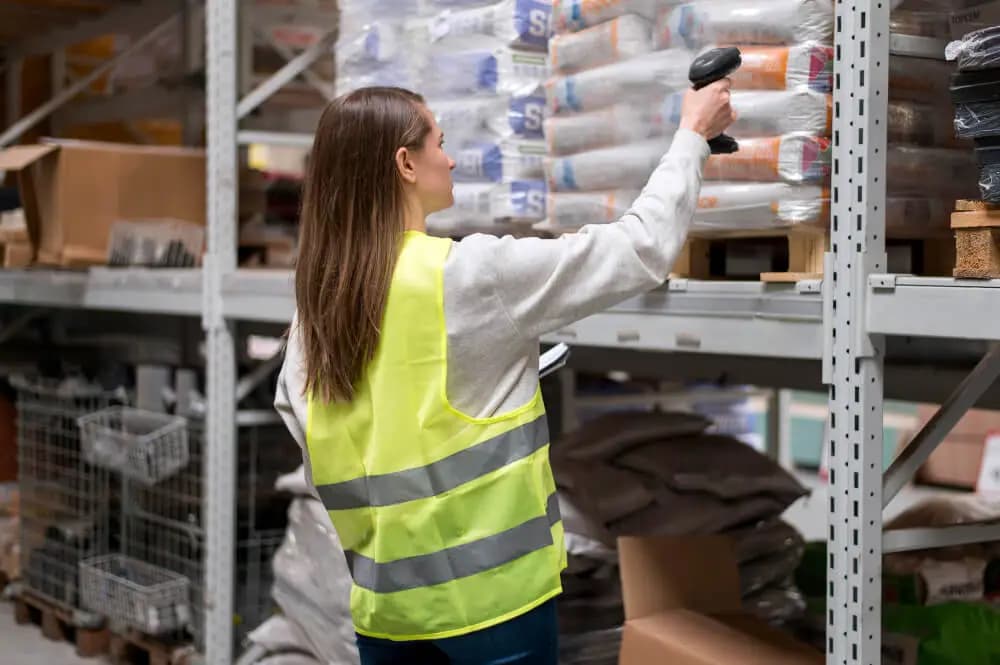
The 2026 Quality Standard: Why Workforce Quality is the New Competitive Advantage
In the traditional staffing world, "quality" was often a subjective term. Today, in a retail environment driven by real-time data and high customer expectations, workforce quality has become a measurable, high-stakes metric.
For retail leaders, the risk of a low-quality workforce isn't just a slow shift—it’s corrupted inventory data, missed planogram compliance, and lost revenue. To maintain an edge, businesses must move toward a "Precision Labor" model. Here is how we define and drive workforce quality in the modern merchandising era.
1. The Shift from General Labor to "Technical Pros"
The era of the "generalist" is ending. A high-quality merchandiser in 2026 is part technician, part analyst. They must be comfortable working alongside autonomous floor cleaners, interacting with smart-shelf sensors, and using AR-headsets for complex display assemblies.
The Benchmark: Quality is measured by how quickly a contractor masters your specific in-store tech stack to ensure data accuracy from the first hour.
2. Radical Transparency through Real-Time Feedback
Quality remains high only when there is a closed feedback loop. High-performing marketplaces thrive on transparent data that traditional agencies simply cannot provide.
The Best Practice: Every shift should be rated on three specific pillars: Accuracy, Punctuality, and Communication. This data creates a "Pro Score" that ensures the top 1% of talent is prioritized for your most critical resets.
3. "Audit-First" Mentality
A quality worker doesn't wait for a manager to find a mistake; they audit their own work. Quality is defined by the "Zero-Correction" rule—the goal is for a project to be 100% compliant the moment the contractor leaves the floor.
The Process: High-quality pros use "Proof of Work" protocols, taking high-resolution photos of completed end-caps and SKU facings to verify their performance instantly.
4. Safety as a Skill, Not a Requirement
In a busy retail environment, safety is a core component of quality. A contractor who understands the ergonomics of heavy lifting and the proper staging of tools prevents costly workplace accidents and liability.
The Standard: Quality contractors arrive with a "Safety-First" mindset, ensuring aisles remain clear for customers even during active merchandising projects.
5. Cultural Alignment and Communication
Professionalism is the "invisible" side of quality. Because on-demand contractors are an extension of your brand, they must be able to communicate effectively with both store staff and curious customers.
The ROI: A merchandiser who can answer a customer’s question politely while resetting a shelf preserves the shopping experience, preventing the "construction zone" feel that often accompanies major store changes.
The HireApp Standard: Vetted Excellence
At HireApp, we understand that your brand’s reputation is on the line every time a contractor steps onto your floor. Our marketplace is built on a foundation of Workforce Agility, but agility is worthless without quality.
We use rigorous vetting, continuous performance data, and industry-specific certifications to ensure that when you book a pro through HireApp, you aren't just getting a worker—you are getting a competitive advantage.