Workforce Management in 2026: Why Flexible Staffing Is Now a Competitive Advantage

Ethan Ward
Author
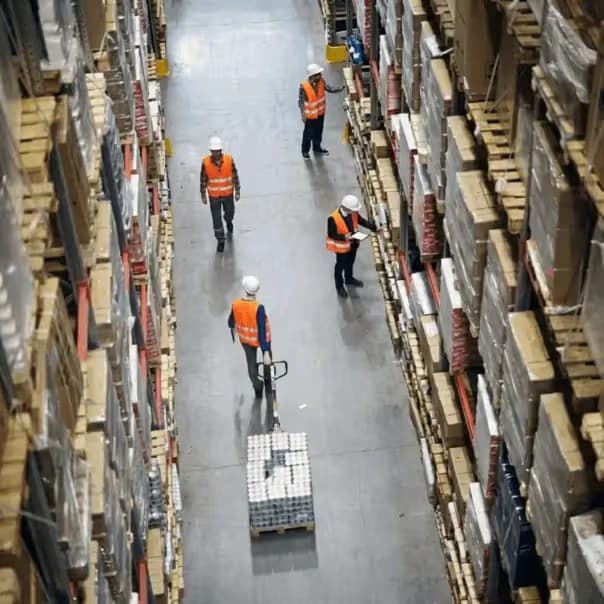
Modern workforce management looks very different than it did even a few years ago. Across retail, events, facilities, manufacturing, and field operations, demand is no longer predictable. Schedules shift, projects spike, locations change, and labor needs rise and fall faster than traditional staffing models can handle.
That is why more companies are rethinking how they use staffing software, workforce scheduling tools, and labor management systems. The goal is no longer just to hire people. The goal is to build a flexible workforce that can adapt in real time.
The problem with traditional workforce management
Most workforce management systems were designed for stable, predictable environments. Fixed schedules, long planning cycles, and static headcount assumptions made sense when demand was steady.
Today, those same systems create real operational problems.
When demand increases, teams scramble to find coverage. When demand slows, labor costs stay high. When someone does not show up, managers lose hours trying to fix the gap. Instead of focusing on operations, they end up stuck coordinating schedules, calls, and last-minute changes.
The result is higher labor costs, slower execution, and more risk in day-to-day operations.
Why flexible staffing matters more than ever
A flexible workforce is not about chaos. It is about control.
Modern staffing software should allow operations teams to:
Fill shifts quickly, even on short notice
Match staffing levels to real demand, not forecasts alone
Recover fast from no-shows or last-minute changes
See what is happening across locations and projects in real time
This is where on-demand staffing and real-time workforce management tools make a measurable difference. Companies that can adjust labor as conditions change move faster, spend less, and avoid the constant cycle of overstaffing and understaffing.
The shift from staffing to workforce operations
The best teams no longer think about staffing as a separate HR task. They treat it as part of operations.
That means labor management, scheduling, coverage, and performance all live in one operational workflow. Instead of reacting to problems after they happen, managers can plan, adjust, and respond in real time.
This shift improves:
Cost control through smarter staffing decisions
Speed by reducing time to fill open shifts
Reliability by minimizing disruptions from no-shows and gaps
Visibility by giving teams real-time insight into coverage and execution
Where HireApp fits in
HireApp is built for this new approach to workforce management.
Instead of relying on slow, manual processes, HireApp helps teams manage labor like an operational system. You can request staff when you need them, track coverage in real time, and adapt quickly when plans change. Whether you are running events, facilities, retail operations, or production teams, the goal is the same: keep work moving without overcommitting resources.
Teams use HireApp to:
Lower total labor costs with smarter staffing
Fill shifts in hours instead of days
Recover quickly from no-shows and last-minute changes
Spend less time coordinating labor and more time running operations
The future of workforce management is adaptability
The most successful organizations are not the ones that try to predict everything perfectly. They are the ones that build systems that can adapt when reality changes.
In 2026, flexible workforce management is no longer optional. It is a competitive advantage.
And it is exactly what modern staffing software and on-demand workforce platforms like HireApp are built to support.